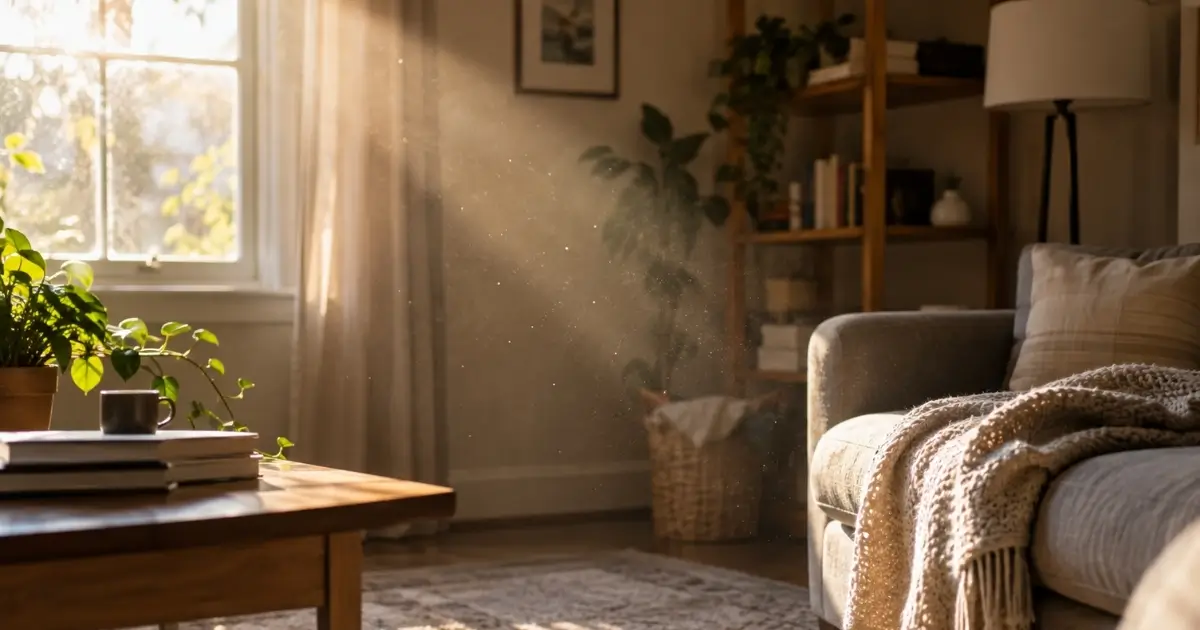
Why does my house get dusty so fast? It’s one of the most common questions homeowners ask, especially after wiping down the same shelf for the second or third time in a single week.
Many people assume it means they aren’t cleaning often enough, but that’s rarely the real issue. Fast dust build-up has less to do with how clean a family is and more to do with the everyday realities of living in a home: pets coming and going, windows opening for fresh air, shoes tracking things in from outside, and normal foot traffic through the rooms used most.
Understanding where dust actually comes from is the first step to keeping it under control, rather than feeling like you’re fighting a losing battle.
Table of Contents
Why Does My House Get Dusty So Fast? The Real Causes
Household dust is a mix of things most people never think about: skin cells, fabric fibers, pollen, pet dander, dirt carried in on shoes, and particles pulled through air vents.
In an average home, several of these sources are active every single day, which is why dust seems to return almost as fast as it’s wiped away. The table below breaks down the most common contributors homeowners run into.
|
Cause
|
Why It Adds to Dust
|
|---|---|
|
Pets
|
Fur and dander settle on floors, furniture, and baseboards
|
|
Shoes worn indoors
|
Carry in dirt, pollen, and outdoor debris
|
|
Open windows
|
Let pollen and outdoor dust drift inside
|
|
Air vents
|
Circulate dust between rooms
|
|
Carpets and rugs
|
Trap dust in fibers and release it underfoot
|
|
Daily foot traffic
|
More movement stirs up more dust on surfaces
|
Homes with multiple pets, young children, or heavier foot traffic tend to see faster build-up than quieter households, but that doesn’t mean dust is avoidable altogether.
It simply means the cleaning routine needs to match how the home is actually used.
If pets are a big part of the dust and fur in your home, these cleaning tips for homes with pets can help you stay ahead of it.
Small Habits That Slow Dust Down Between Cleanings
None of these habits eliminate dust completely, but together they can meaningfully slow it down:
- Remove shoes at the door to cut down on outdoor debris.
- Vacuum high-traffic areas more often, not just once a week.
- Wash throw blankets, cushion covers, and bath mats regularly, since fabric holds and releases dust.
- Change HVAC filters on schedule so vents aren't recirculating debris.
- Keep surfaces as clear as possible so dusting is quick and thorough instead of something to work around.
- Groom pets regularly if shedding is a major contributor in the home.
These changes won’t stop dust from forming, but they can stretch the time between noticeable build-up and make each cleaning session faster. For a routine that covers every room in the house, see our house cleaning tips guide.
According to the U.S. Environmental Protection Agency, indoor dust can also carry allergens and particles that affect indoor air quality, which is one more reason regular removal matters for more than just appearances.
Why Dust Keeps Coming Back Even When You Clean Often
A quick wipe of the visible surfaces can make a room look tidy without actually reducing how much dust is in the home.
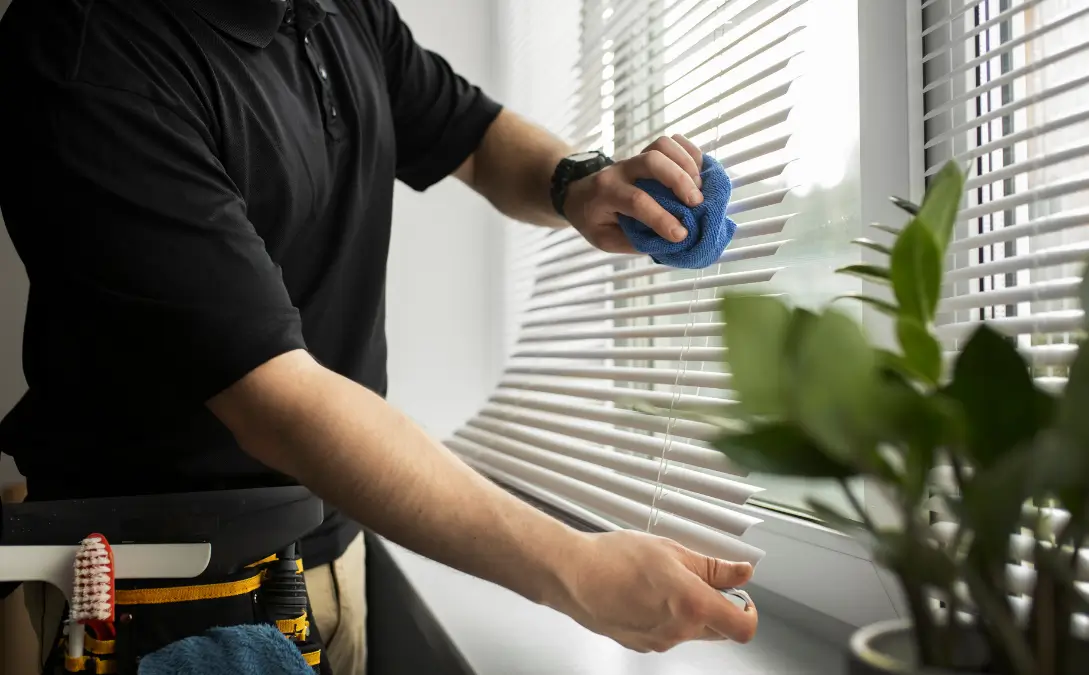
Dust collects in places that are easy to skip during a regular week: baseboards, ceiling corners, behind furniture, inside vents, and along window sills. Because these areas are less visible, they act as a reserve that keeps replenishing the dust on the surfaces people do clean.
This is often the real answer to why a house gets dusty so fast even right after a thorough cleaning. The hidden reserve simply needs more attention than a quick pass can give it.
Between deep cleanings, small habits help, but they can only go so far. Professional cleaning reaches the corners, baseboards, and vents that are easy to miss during a busy week.
If dust keeps creeping back no matter how often you clean, Stunning Cleaning Services can help you get ahead of it with a plan built around your home.
How Often Should You Clean If Your Home Gets Dusty Fast
For homes that collect dust quickly, whether because of pets, an active household, or proximity to a busy road or construction site, waiting until dust becomes heavy is usually less effective than staying ahead of it.
Homes with pets or kids often do best on a weekly schedule, while quieter households may only need biweekly attention to stay on top of it.
A consistent cleaning schedule gives dust less time to accumulate, which makes each cleaning faster and the home easier to maintain in between.
It’s also worth understanding how a cleaner home supports your overall health, since dust and allergens don’t just affect how a home looks.
Frequently Asked Questions
Why does my house get dusty again right after I clean it?
Dust can return quickly because of air movement, pets, shoes worn indoors, open windows, air vents, and normal daily activity.
None of these are signs of a home being unclean, they’re just part of everyday life.
Does professional cleaning actually help with dust?
Yes. Professional cleaning targets the surfaces and hidden areas, like baseboards, blinds, and corners, that are often missed during regular upkeep.
This helps reduce how quickly dust reappears.
How often should I clean if my house collects dust quickly?
Homes that build up dust fast, especially those with pets or heavy foot traffic, typically benefit from weekly or biweekly cleaning rather than occasional deep cleans.
Does dust affect indoor air quality?
Yes. According to the EPA, dust can carry allergens and fine particles that affect indoor air quality, which is part of why keeping it under control matters for more than just how a home looks.

Ready for a Home That Stays Dust-Free Longer?
A cleaner home doesn’t have to mean constant work. With the right cleaning schedule, dust has less time to build up, and the small daily habits become much easier to keep up with.
If dust, pet hair, or allergens are a constant frustration in your home, Stunning Cleaning Services can help you build a routine that actually keeps up with your life.
Call Stunning Cleaning Services at (908) 342-3543, email, or schedule your cleaning online today.